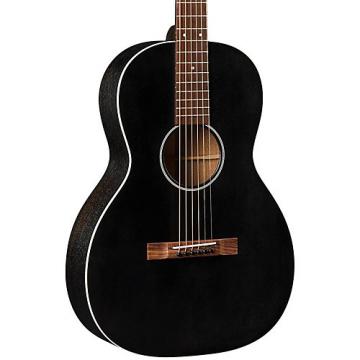
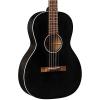
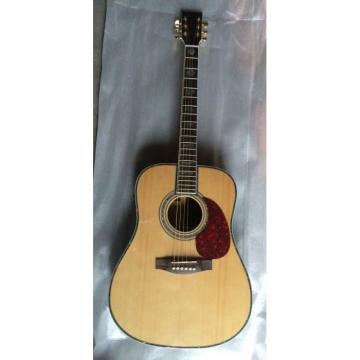
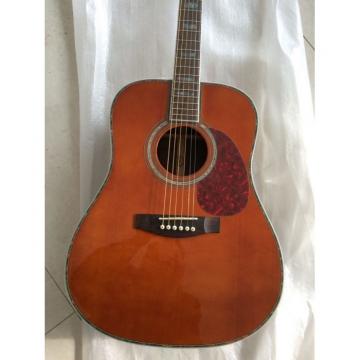
The 17 Series 00-17S Grand Concert Acoustic Guitar features a solid Sitka spruce top, mahogany back and sides, and a Guatemalan rosewood fingerboard and matching bridge. The sleek modified low oval neck with a Performing Artist taper allows for greater ease of play up and down the fretboard. You can start a musical journey that will last a lifetime with this model.
Includes case.
See drop down menu for the finish that suits you best.
Martin 17 Series
The 17 Series is Martin’s homage to early 20th Century American blues when small guitars were the instrument of choice. Martin designed the series using small body shapes, 00, 00L, 000, and chose understated appointments as a way of eliciting the sights and sounds of the great delta bluesman.
Martin wanted the guitars to be blue collar and inviting. Guitars that are meant to be picked up and played, not pampered. They specifically developed two finish options, Black Smoke and Whiskey Sunset, that they felt looked at home in a Mississippi juke joint or Memphis blues club. The open pore, ultra-thin satin finish lends itself to the weathered and broken-in appeal. The straight bridge and ivoroid button open back tuners add to the effect. They opted for mahogany back and sides with a Sitka spruce top because it works so well with a variety of small body sizes. This combination of wood is responsive enough for Lightning Hopkins fingerstyle playing or more modern blues using a pick. A single piece of ivoroid binding was chosen for the top with no binding on the back. The neck is mahogany with a rosewood fingerboard and bridge. Exotic and ultra-high quality materials crafted by America’s premier guitar builder at an affordable price.
Body
Body type:00-12 Fret
Cutaway:Non-cutaway
Top wood:Sitka Spruce
Back & sides:Mahogany
Bracing pattern:X
Body finish:Satin
Orientation:Right handed
Neck
Neck shape:Modern low ova
Nut width:1.75" (44.45mm)
Fingerboard:Rosewood
Neck wood:Select Hardwood
Scale length:24.9"
Number of frets:20
Neck finish:Satin
Electronics
Pickup/preamp:No
Brand:Not applicable
Configuration:Not applicable
Preamp EQ:Not applicable
Feedback filter:Not applicable
Tuner:Not applicable
Other
Headstock overlay:Ebony
Tuning machines: Golden Age Relic Nickel
Bridge:Rosewood
Saddle & nut:Compensated Bone/Bone
Number of strings:6-string
Special features:None
Case:Hardshell case
Accessories:None
Order this high-quality Martin today!
Custom Guitar's Friend Gold Coverage
Gold Coverage goes above and beyond the manufacturer's warranty to protect your gear from unexpected breakdowns, accidental damage from handling
and failures. This plan covers your product for one, two, three or up to five years from your date of purchase, costs just pennies per day and gives you a
complete "no-worry" solution for protecting your investment.
Gold Coverage Includes:
Unexpected and unintentional spills, drops and cracks
Normal wear and tear
Power surges
Dust, internal heat and humidity
Other plan features include:
For products over $200, No Lemon Policy applies. If it fails for the same defect 3 times, it is replaced on the 4th breakdown. (Does not apply to failures due to drops, spills, and cracks)
For products under $200 experiencing the above failures, a Custom Guitar's Friend gift card will be issued for the full price of the product + tax.
Shipping fees covered if required for repair or replacement
Plans are transferable in the event merchandise is sold
Plans are renewable on new gear
*Limitations and exclusions apply. See terms and conditions for program details
Term for New Gear begins on date of purchase but does not replace the store return policy or manufacturer coverage.
 English